

Introduction
Access control in the Philippines has advanced greatly, with simple locks and keys increasingly replaced by access cards and biometric scanners. Revenue for devices related to controlling physical access is also seen to reach 54.1 million dollars this year alone. Indeed, the future of this technology in the country is bright.
Business owners planning to ride the wave of innovations and advancements should consider boosting their access control systems. Learning about this technology, its types, and why it’s necessary for enterprises is the ideal first step in moving forward. To ensure you have sufficient, helpful knowledge, read this comprehensive guide by Internet of Things Philippines, Inc.
What Is Access Control and How Does It Work?
An access control system regulates access grants to the physical and digital spaces of Philippine businesses and residences. You can think of it as a high-tech version of door locks and keys.
Every access control option includes a type of lock, a key to unlock it, and the type of credentials that grant permission to a person requesting entry. For instance, event halls that limit entry with an RFID turnstile gate will only open if the keycard tapped onto the reader contains pre-approved codes or biometric credentials.
The level of access also differs depending on who wants to enter a specific space. Such tiers are essential to further control who gains access to areas, especially those that house expensive equipment, company assets, and sensitive data.
Discretionary Access Control
Discretionary access control (DAC) allows business owners to decide which members of their organization are allowed entry to specific spaces. It’s less restrictive and flexible than other types, as the decision-making is up to the management, not the access control system’s presets.
Mandatory Access Control
Mandatory access control (MAC) types leave entry permission to system administrators. This type is rigid because it doesn’t allow users to change or update their permission levels or grant permission to others. Users are also tagged with specific labels to determine their access limitations. Due to its restrictive nature, MAC types are the usual choice of access control level for government and military institutions.
Role-Based Access Control
Role-based access control (RBAC) types regulate permissions based on the credential holder’s role. This type usually limits access to restricted areas depending on the individual’s job responsibilities. This prevents low-level employees from accessing information reserved for high-ranking positions.
Why You Need Access Control Systems for Your Business in the Philippines
Installing access control systems for your business in the Philippines is a modern solution to strengthen the security and management of your locations and assets. Access control devices depend on pre-enrolled data to grant entry, reducing cases of misrepresentation and wrongful logs. Below are more reasons your company should set up or enhance its access control.
For Streamlined Access Management
An access control system has a centralized platform for protecting your business spaces and assets. This platform allows you to regulate entry and exit to premises, manage credentials, and facilitate access tracking. It can also help you create documentation for investigations and audits.
For Greater Credentials Control
When physical access employs a system, you can exercise greater control over what credentials are allowed in your business space. Smaller organizations may opt for key cards, while larger companies may want to vary their options from RFIDs to biometrics, depending on the area. Businesses in the Philippines may also consider whether there’s a proximity card or biometric machine supplier they can trust for such credentials.
For Efficient, Accurate Tracking
An efficient access control platform can log all entry grants in your restricted spaces, with the data including pertinent information such as time stamps and the means of access. If you use your access control with security cameras and anti-tampering technology, you’re likelier to identify individuals attempting to gain unauthorized access to your restricted areas and act accordingly.
For User Convenience
Access control systems make entry difficult for unauthorized individuals but fast and convenient for legitimate members of your organization. The technology, such as a card reader, turnstile gate, or fingerprint scanner, records individual credentials in seconds and grants entry immediately, resulting in efficient attendance logs and accurate tracking. High-tech access control also eliminates waiting lines and logbook use for faster entry.
For Boosted Security and Risk Control
The mere presence of access control systems to protect restricted areas and assets may be enough to deter those planning to break in. Unless perpetrators steal a key fob or coerce an authorized person to scan their fingerprints, it’s virtually impossible to enter an off-limits location without alerting security personnel and management.
What Access Control Systems Are Available in the Philippines?
Physical door access control systems in the Philippines come in many forms to serve unique business security and monitoring needs. Below are some types most commonly used in buildings and other restricted spaces.
RFIDs
Many organizations in the Philippines use radio frequency identification (RFID) technology for turnstiles, gates, and vault doors. RFID tagging contributes to the efficient monitoring and tracking of individuals entering and leaving business spaces. Moreover, it costs less than other access control systems.
Access Gates
Access control gates provide visual and physical barriers to high-traffic spaces, such as office lobbies, event halls, and airports. They are convenient means of granting entry to a wide range of visitors, including people who need a wider entry space, such as individuals with disabilities and travelers carrying luggage.
Biometric Readers
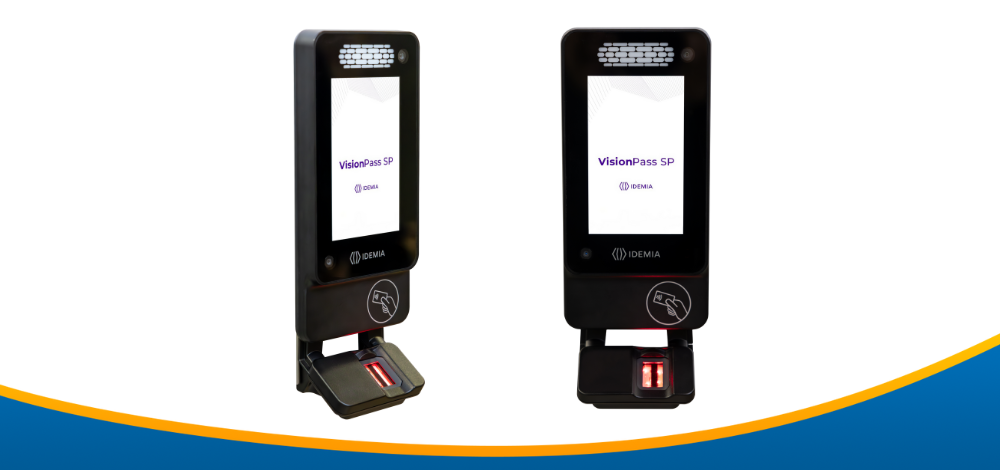
Biometric readers are used for various access control purposes, from granting access to a bank’s vault to logging an employee’s workday attendance. These readers or scanners verify identities before permitting entry to protected areas using fingerprints, irises, faces, or gestures. Because these machines involve collecting sensitive personal data, biometric readers are best used for limited-access spaces and assets and reserved for internal biometric enrollment procedures.
Frequently Asked Questions About Access Control in the Philippines
Which Access Control Type Is the Most Strict and Secure?
Due to its extremely limited and restricted nature, the access control type with the strictest and most secure protocols is the Mandatory Access Control (MAC) system. Permissions granted using this type are not bestowed on just anyone but only to a few system administrators and maybe top management. The levels of access differ per employee position as well, preventing non-involved people from accessing sensitive information.
As for the specific access control technology to use for the highest security, combining two or more modalities is recommended to make it harder for unauthorized people to break in. For instance, hospitals and research centers can require an RFID card, a unique code, and a biometric scan for people trying to access a laboratory.
Why Use an Access Control System Instead of Keys?
People carrying traditional keys risk misplacing or losing them, which perpetrators might duplicate and use without the owner’s knowledge. Meanwhile, locksmiths can easily break in by working around locks. With an access control system, especially those that require passwords or biometric data to permit entry, misplacing keys will no longer be an issue. On the other hand, lock-picking can be more challenging if the barrier requires digital information rather than brute force to open.
Access control systems also include additional features that can deter break-ins and theft, such as automated alarms, anti-tampering mechanisms, and video surveillance. These combined can help alert management should a breach occur or document the incident to back up legal cases and inform decisions on system improvements.
Are There Risks in Using Access Control Systems?
Like any other technology, access control systems have risks. Common risks include data breaches (for password and biometric data), hacking, misuse of credentials, and spoofing. These issues are possible because access control technologies are connected to the Internet or a company’s network. A threat actor coming through these channels may cause disruption and steal information.
That said, faking digital credentials to misrepresent someone requires advanced IT and computing skills. As such, only a few may attempt to break into your access control system using these tactics.
To prevent threat actors from exploiting an opening, your organization should train employees to keep RFID key cards, fobs, and other physical credentials safe. Employees should also be vigilant when clicking links and sending sensitive data online to avoid leaking passwords, PINs, and biometric information.
Conclusion
Thanks to their safety, convenience, and efficiency, access control systems are gradually becoming the norm for small and big businesses in the Philippines. Depending on the level of security you need for your spaces and assets, you can implement discretionary, mandatory, or role-based access control. Just ensure that whatever you choose will give you the best solution for managing and keeping your business safe.
In addition to the types, you should also choose an appropriate technology for your access control needs. You can rely on RFID, biometrics, and physical high-tech barriers to limit entry to several spaces. Your choice should depend on the traffic in the area and the purpose of restricting the space. Note that implementing a combination of two or more technologies is ideal for reaching high-security levels.
When you set up reliable access control systems, your business will experience more streamlined access management, greater credentials control, more efficient monitoring and tracking, more employee convenience, and stronger security. The key, of course, is to procure your access control technology from reliable suppliers, like IOT Philippines. With our wide range of readers, keys, and scanners, you will find the perfect modality to enhance your business’ access control. Contact our experts today to learn more!
