

Introduction
Face recognition technology is gaining popularity across industries thanks to its contactless convenience and promising accuracy. The modality is being rolled out or expanding in different parts of the globe, from Philippine airports to Vietnam’s social security offices.
Consequently, like other technological advances, this biometric solution is being scrutinized for its security. A recent data breach in Australia, for instance, has sparked debates regarding the safety of using such technology. The incident specifically shows what might happen to private information if it is entrusted to a suspected negligent vendor.
As such, companies should exercise extra care when choosing a face recognition biometrics supplier in the Philippines. This way, businesses can maximize the technology’s benefits while protecting private users’ data. That begs the question: which supplier should your company trust? Find out by reading this article, and discover why Internet of Things Philippines Inc. is one of the local vendors you should consider.
What Are the Risks of Facial Recognition (and How To Avoid Them)
Like other types of technology, facial recognition systems come with risks, especially when used without respect for data privacy and public consent. These include:
Data Breaches
Face biometric scanners store a subject’s image and other sensitive information in the cloud, hardware, or both. Ideally, the storage location is protected with anti-malware and other deterrents against breach attempts. However, there have been cases where the threat actors successfully hack into the database, jeopardizing users’ data.
Use of Biometric Data Without Consent
The ease with which face biometrics can be captured allows some to acquire images without the data subject’s consent. Once the technology stores your facial signature without your knowledge, you may never learn how your data will be used. For instance, some marketers might use your face biometrics for targeted marketing, or a business might store your data to observe you and influence your purchasing decisions.
Stalking and Fraud
AI-powered facial recognition on social media can match you with photos your friends took, which is nice — until a stranger uses that information to learn more about you. Stalkers have enough to work on with just a face and a name, which can make some vulnerable.
Data breaches or the collection of facial signatures without your consent may also allow fraudsters to get hold of your data. These people may use your information to pose as you and to access protected accounts and assets.
How To Avoid The Risks
While the risks we mentioned might alarm you, note that manufacturers, suppliers, and companies using facial recognition technology continue to address loopholes in the system. You can avoid privacy and security issues by choosing a trustworthy vendor — one that is credible, transparent, and knowledgeable about the technology and related issues.
The following section provides a detailed overview of which facial recognition system vendor you should trust to reduce the risks we mentioned.
Which Face Recognition Biometrics Supplier in the Philippines To Trust
If you’re using biometrics to onboard customers, track employees, or improve access control, choosing a trustworthy face recognition biometric supplier in the Philippines is crucial. To help you find the best vendor, consider the following qualifications:
Supplies Machines From Reputable Brands
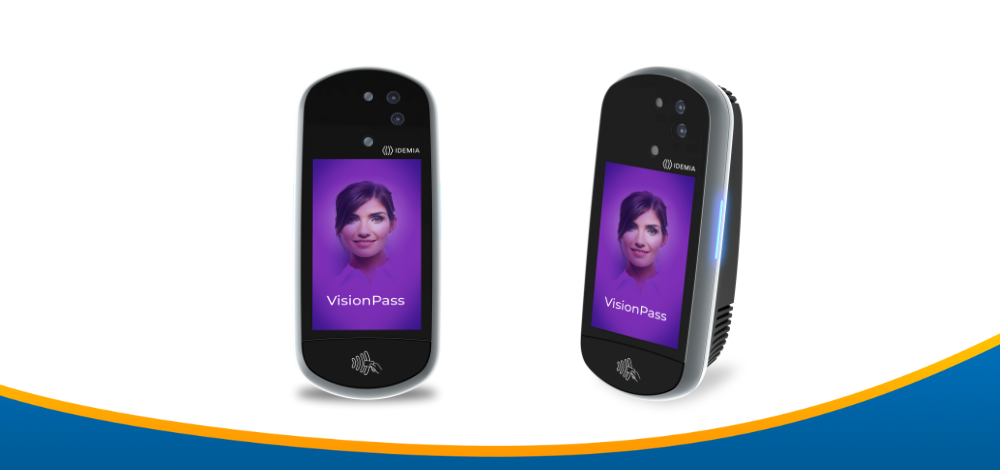
A reliable face recognition machine supplier does not sell just about any scanners but offers the best ones. Some leading brands in the biometrics industry include Suprema, IDEMIA, and CMITech. Look for these brands in your vendor’s catalog; knowledgeable suppliers will likely include them (note that a supplier without a catalog is a big red flag).
Your supplier’s catalog should also indicate each biometric machine’s brand, specifications, features, and other pertinent information to help you decide which to purchase. Look for proof of legitimacy, such as operating licenses and permission to redistribute the products; you wouldn’t want to buy a biometric machine from a shady third-party vendor.
Implements a Clear Privacy Policy
One common factor in using a biometric machine, whether to track attendance, onboard customers or boost security, is that you’ll be gathering private data from your subjects. Moreover, you must ensure the information is protected from data breaches and unlawful use. Ask your vendor about their privacy policy, specifically how well they acknowledge the limitations of using another person’s sensitive information. They should also articulate the security measures they apply to ensure your data will not be leaked or compromised.
You can test your vendor by asking about the local data privacy law and their risk management plans for worst-case scenarios, such as threat actors successfully hacking into the database.
Respects Data Access Limitations
If you plan to use a face scanner from a third-party vendor as your biometric attendance machine, note that you’d be subjecting your employees or customers to unauthorized data access or misuse. Well, at least if you work with a negligent supplier.
In contrast, a reliable face recognition biometrics supplier will not compromise your data security by taking their hands off the database. That means direct access is limited to you and relevant departments (such as your HR staff) to ensure the information is used for the right reasons. This is essential to prevent suppliers from using your company’s private data to train AI or develop other technologies.
Promotes Transparency in Data Usage
While you should opt for vendors with no direct access to your data, there are times when you need to grant permission to the third-party team during deployment, troubleshooting, repairs, and data retrieval (in cases of breaches). In such scenarios, you must have a written agreement on how the supplier will proceed with your data.
You should ensure that the supplier is transparent about which information and how they use your data if they need to test or recalibrate your biometric machine. They should also be clear about their procedures and processes — no private information should be shared or leaked outside of your organization by any means.
Exhibits Deep Knowledge of Risks
Biometric system suppliers should be able to articulate the risks associated with using face recognition technology. If they can explain that to you without fearing they’d lose a customer, they also know how to alleviate your worries about data security. A credible vendor will explain the risks and then present you with a set of measures and plans to prevent data-related incidents from happening.
To test their confidence, ask the supplier if they’re aware of recent news about face recognition data breaches, what they think caused the incident, and what they propose to prevent it. Follow up with questions about how their products and services can offer the same, if not better, solutions.
Follows a Structured Deployment Plan
Before hiring a supplier, inquire about their deployment plan. The plan should include a clear schedule of steps, from consultation to implementation, so you can more easily monitor the project’s progress. This is crucial if you want your biometrics system to be functional at a target date; go for vendors that can honor your timeline with only a small leeway for delays.
An effective deployment plan can streamline the integration of a biometrics system into your organization. This is especially crucial if you’re installing a face recognition machine to track employees’ time logs and attendance. The sooner the technology is up and running, the better for your company’s operations and productivity.
Partner With IOT Philippines As Your Face Recognition Biometrics Supplier
Internet of Things Philippines Inc. offers a wide array of biometric solutions, including face recognition scanners. We source our products from reputable brands acknowledged globally for their precision, speed, and security. Reach out to our tech experts today to improve your access control, attendance system, and customer onboarding processes!
Frequently Asked Questions About Face Recognition Biometrics
What Technology Is Used in Facial Recognition?
Facial recognition systems combine Artificial Intelligence, Convolutional Neural Networks (CNNs), and biometric analysis to capture, record, and compare facial signatures to find a match. These technologies work together to make identity verification faster, more accurate, and more convenient for users. They also help businesses streamline biometric-related processes such as attendance tracking and workspace access control.
Facial recognition technology continues to improve to keep up with advancements and sophisticated threats. Tech experts work continuously to boost the machine’s security features, educate users on how to protect their data, and develop programs that will deter attacks.
Is It Legal To Use Facial Recognition?
It is legal to use facial recognition, but only if the data subject expressed consent to acquiring the biometric information. The Data Privacy Act classifies facial signatures as sensitive personal information and thus is subject to stricter rules. Aside from securing consent, the people providing data for biometric identification purposes should be informed of how implementers will store and use their information.
The data owner should also have the right to object to the processing of their information and access to delete such information if it’s no longer needed for the purpose of collection.
Can Facial Recognition Be Fooled?
Like other biometric systems, facial recognition technology is not 100% accurate. A margin of error will always be present, though small. Developers of such machines also declare accuracy rates and confidence scores as disclaimers that the system will get recognition correct most of the time, but not always.
As such, threat actors might fool the system using only the most sophisticated techniques, like deepfakes. To prevent being “fooled,” many biometric systems develop tools that analyze video and image data for deepfake-specific anomalies, such as unnatural lighting or pixel distortions. Furthermore, with the help of Artificial Intelligence-powered solutions, images are constantly checked for inconsistencies in facial movements and textures.
Conclusion
While data privacy risks are associated with face recognition technology, hiring a trustworthy biometric system supplier in the Philippines can help prevent threats from succeeding. Companies that plan to entrust their organization’s sensitive information to the system should choose their vendor carefully — evaluating the supplier’s brands, policies, and expertise is paramount to identifying the best one.
Internet of Things Philippines Inc. is one of the country’s leading suppliers of top-notch biometric devices, including efficient and accurate face recognition scanners. Contact our experts today, and let us help you elevate your attendance and access control systems!
