

Introduction
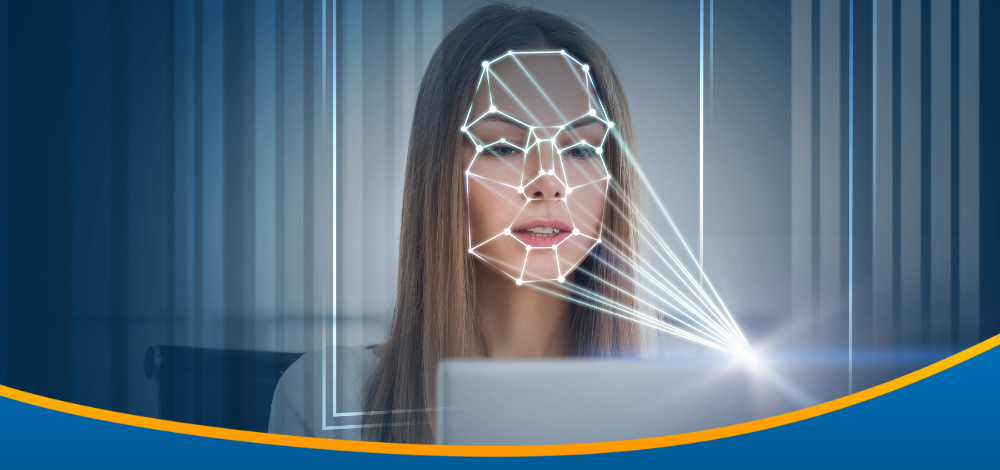
Private and public organizations deploy attendance monitoring systems to track and evaluate employees. For many years, this process involved manually logging names and punching a card through a Bundy clock. Fortunately, thanks to digitalization, many offices in the Philippines are starting to replace traditional methods and deploy face scanners as their primary biometric attendance system.
Biometric identification and authentication in workplaces provide faster processing, efficient recording, and accurate tracking of employees’ comings and goings. They are also increasingly favored because they help reduce attendance fraud via buddy punching.
If you’re one of the organizations planning to incorporate facial recognition into your systems, learning about the preparations you must make before installing this technology is essential. Read on to learn the specifics and discover how Internet of Things Philippines Inc. can help you with your attendance system requirements.
5 Tips To Remember Before Installing a Face Biometric Attendance System in the Workplace
It’s easy to jump on the bandwagon and install a face recognition biometric attendance system for your company. However, it will help you more if you’re knowledgeable about this technology first so you can fully determine if you actually need the device.
Below are some tips that you can apply as you contemplate installing a face biometric attendance system in your workplace:
Assess the Current Attendance System
Before integrating any new process, companies should assess the current one and work around it using their findings. Say, for instance, that your business uses fingerprint scanners to monitor employees. What factors might prompt you to consider switching to a face attendance system? During the COVID-19 pandemic, contactless solutions were favored to help stop the spread of the virus, resulting in facial recognition technology rising in popularity in shared spaces that require monitoring and access control.
With the virus mostly contained today, what can still encourage you to use face recognition? There are plenty of reasons, including faster information processing, easier scaling capabilities, and stronger security if combined with other modalities. The key is to assess your needs and weigh the pros and cons of switching to a new technology. Additionally, you can always consult with experts like IOT Philippines.
Get Consent From Employees
Consent is crucial when enrolling biometric data in an attendance system. Your employees have the right to data privacy and protection, so they should know how their information is used if they agree to be data subjects for facial recognition technology. As employers, it’s your responsibility to assure your organization that the data you’re gathering is used for its intended purpose, in this case, to monitor employee attendance. Any other purpose should be off the table, especially if it will jeopardize your people’s rights.
To promote good faith within your organization, you should first consult your teams about your plan to utilize face recognition biometric systems for attendance monitoring. Listen to concerns and create a plan to address them. The transition should start if a majority is satisfied with your solutions. In addition, people should sign a consent form detailing, in no uncertain terms, the required information from employees and how the company intends to use it.
Adhere to Data Privacy Regulations
An in-depth understanding of the Philippines’ Data Privacy Act can help you feel more confident about using biometric attendance systems. Learning about the data subjects’ rights section is particularly important to ensure that your employees know you care about their privacy and protection. Meanwhile, learning about the violations and subsequent penalties specified in the law will make you more conscientious when deploying the technology.
Additionally, your knowledge of rules and regulations will serve you well when you’re choosing a face scanner vendor. Using what you’ve learned, you can test whether the supplier is just as careful with data as you want to. Doing so can help you determine which of your prospects is the most trustworthy faster.
Ensure the Technology Is up to Standard
A face-scan attendance machine should have essential and advanced features so it runs smoothly and efficiently. When choosing devices, check for the following:
- Image Capturing Capabilities – The higher the quality and quantity of images the face scanner can process, the faster and more effective the data enrollment phase will be. This is most useful for organizations gathering face biometrics from more than one hundred individuals.
- Scanning and Data-Matching Speed – The machine should verify employees’ identities and grant access in only a few seconds. This fast process is essential to prevent queues from forming at the start of the work day.
- Liveness Detection Features – The device should have reliable liveness detection capabilities so it will not fall for spoofing methods such as masks, photos, and deepfakes.
- Vandalism- and Weather-Proof Design – Your chosen face scanner should also be protected from physical tampering and the elements so you can install it in any work location.
Put Security Measures in Place
Besides face scanners, other measures can help monitor your employees and minimize unauthorized access to your workplace. For instance, a closed-circuit television (CCTV) system, complete with date and time stamps, can be useful for tracking activities.
Meanwhile, multi-factor authentication methods can better secure your premises. These methods combine facial recognition with physical credentials like key fobs and cards or require multiple biometric signatures before granting access to an individual.
Consult IOT Philippines for Your Face Biometric Attendance System Needs
Considering deploying face scanners as the primary biometric attendance system for your Philippine company? You don’t have to second-guess by doing it yourself. Suppliers of biometric devices are readily available in the country, offering a range of brands and capabilities to equip your workplace with the latest technology.
In addition, vendors like IOT Philippines are more than happy to share their expertise and recommendations, helping you determine the best way to update your attendance systems.
Learn more about IOT Philippines’ products and services by contacting our tech experts today!
Conclusion
Tracking and monitoring employee attendance has traditionally been done via logbooks or Bundy clocks. These devices enable fraudsters to fake their clock-ins and reduce organizational productivity and honesty. Fortunately, buddy punching is now more difficult as companies in the Philippines transition to high-tech biometric attendance systems, such as face scanners. In addition to preventing fraud, these modern machines make employee management more convenient and efficient.
Procuring and installing a face scanner for workplace use should be systematic so you can get the most out of the technology. Before buying, ensure that your employees are willing to provide their biometric data and that the device you are eyeing has advanced features and sufficient protection. Additionally, enlist the help of tech experts like IOT Philippines to assess your current system and recommend products that will best serve your needs.
Want to learn more about facial recognition technology? Consult our team today!
